Capturing stunning images in low light conditions can often feel like a daunting task for photographers. However, with the right techniques, it’s possible to convert challenging lighting into an opportunity to create evocative and enchanting photographs. Here are some unique approaches to mastering low light photography:
Use a Wide Aperture
The aperture setting on a lens controls the amount of light that enters the camera. In low light situations, using a wide aperture (represented by smaller f-stop values like f/1.8 or f/2.8) can help maximize the light intake. This not only allows for faster shutter speeds but also creates a shallow depth of field, which can make the subject stand out beautifully against a softly blurred background.
Adjust Shutter Speed
When light is scarce, slowing down the shutter speed is another way to increase exposure. This technique allows more light to hit the sensor over a longer period. However, it’s essential to remain cautious of camera shake, especially when handholding your device. Using a tripod can stabilize the setup, ensuring that images remain sharp despite the longer exposure times.
Increase ISO Sensitivity
Increasing the ISO setting makes your device more sensitive to light. While this can enhance exposure in dim conditions, it's important to strike a balance to avoid introducing noise or grain into the image. Modern technology has improved dramatically, and many models now offer excellent high-ISO performance, but always keep an eye on noise levels.
Utilize Natural Light Sources
Low light environments still possess ambient lighting, such as street lamps, moonlight, or candles, which can add dramatic effects to images. Utilize these available sources to illuminate your subject creatively. Positioning your subject in relation to the light source can create intriguing shadows and highlights, adding depth and mood to your photographs.
Employ Reflectors
Reflectors can be an excellent tool for bouncing available light onto your subject. Even in low light settings, they can be used to enhance and manipulate existing light, reducing shadows, and illuminating areas that might otherwise be dull. Compact and portable reflectors fit easily into most gear bags, making them an invaluable addition.
Experiment with Post-Processing
Editing software can significantly enhance low light images. Adjustments to exposure, contrast, and highlights can bring out details that might not have been initially visible. Additionally, tweaking the noise reduction settings can improve image quality by minimizing grain that may result from high ISO settings.
Embrace Creative Techniques
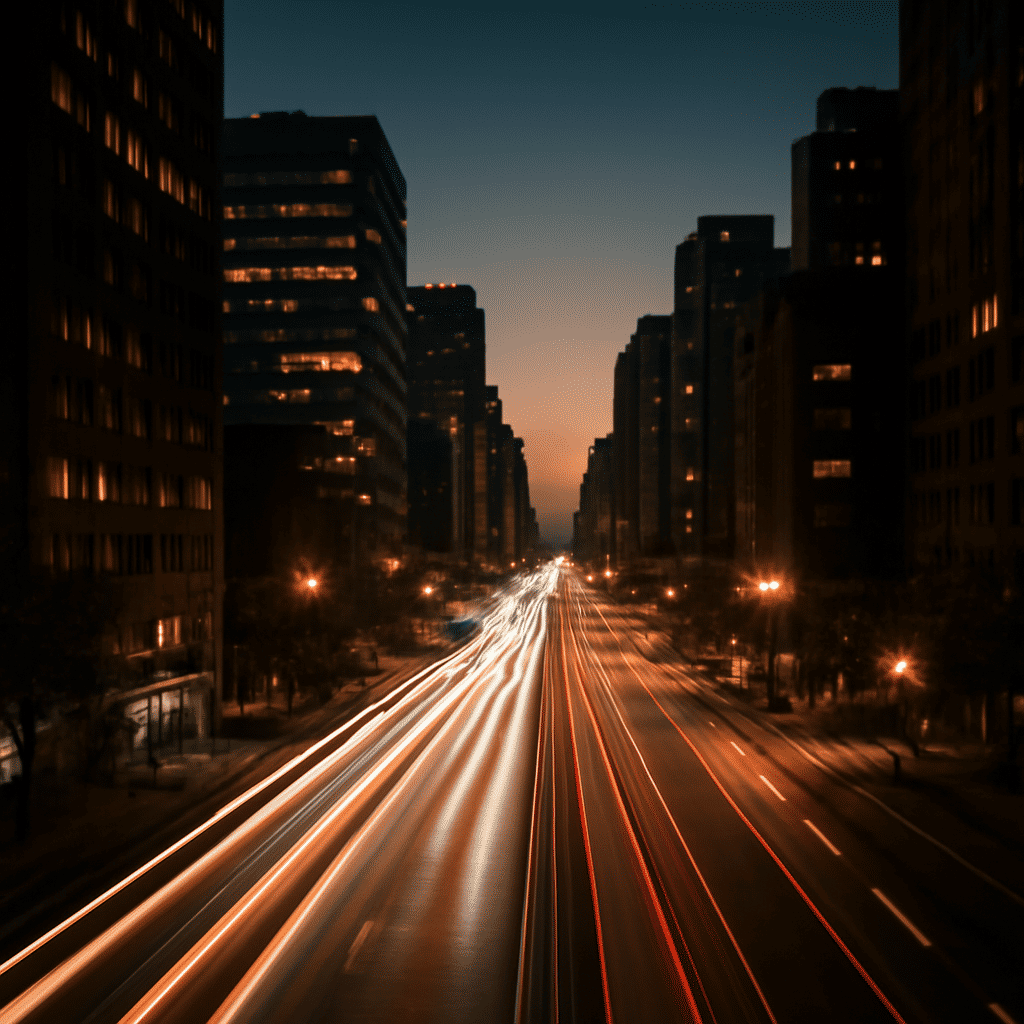
Low light conditions provide the perfect backdrop for experimenting with creative techniques such as long exposures and light painting. Long exposures can capture motion blur from moving lights, while light painting involves moving a light source while the shutter is open to create stunning patterns and effects in your photograph.
Practice Patience and Exploration
Low light photography often requires patience, as settings and compositions must be thoughtfully considered for the best results. Take time to explore different angles and perspectives. Experiment with silhouettes, shadow play, and reflections. The more you practice, the more you’ll understand how to work with the subtle interplay of light and dark.
Low light photography is less about restriction and more about possibilities. By honing your skills and pushing the boundaries of creativity, you can craft images that resonate with emotion and atmosphere, transporting viewers into the unique world of your visual storytelling.