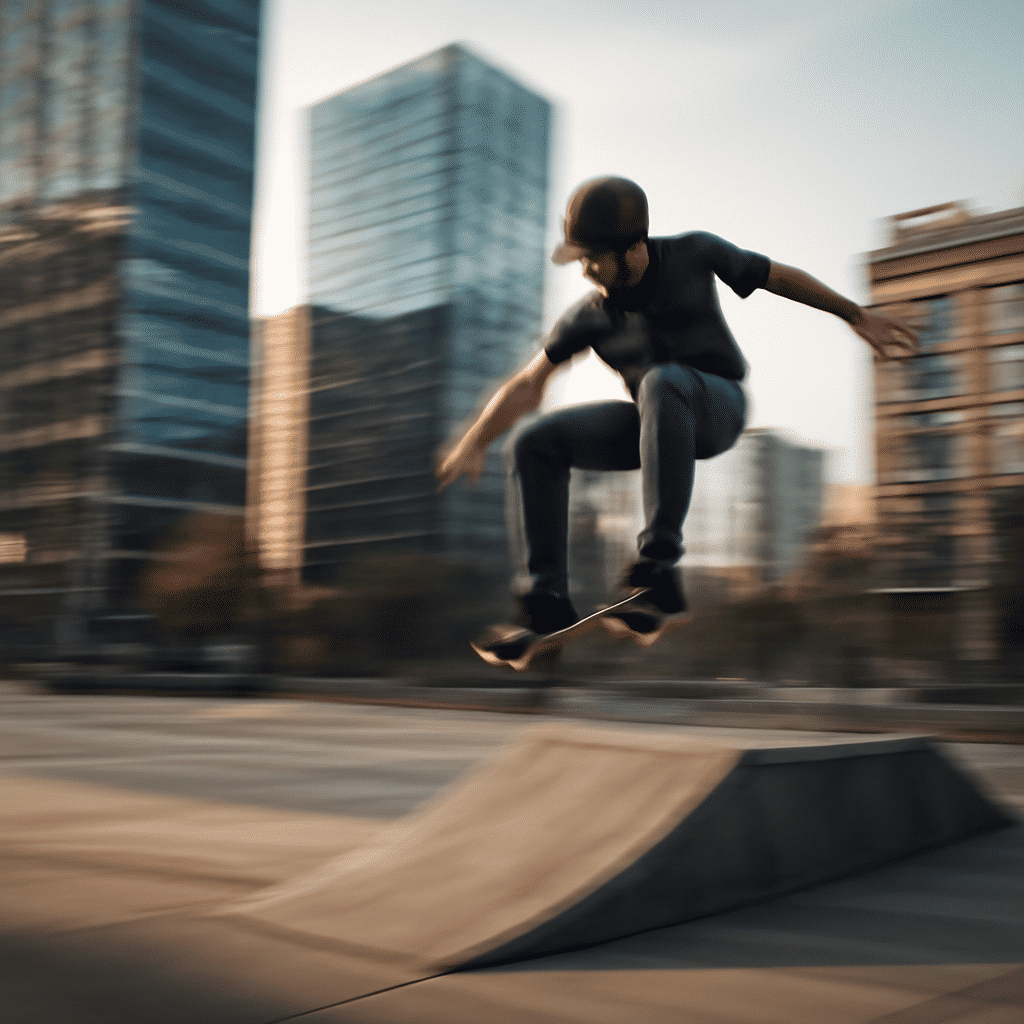
Capturing motion in photography is an art form that transforms static images into vibrant portrayals of dynamic movement. Whether it's the graceful arc of a dancer leaping through the air or the blur of traffic lights painting the streets, motion captures add a distinct life and energy to photographs. Let's explore some techniques and tips to help you master the skill of photographing motion.
Understanding Shutter Speed
The key to capturing motion lies primarily in understanding and controlling shutter speed. Shutter speed determines how long the camera's sensor is exposed to light. A fast shutter speed, such as 1/1000 of a second, freezes action, making it perfect for capturing sharp images of fast-moving subjects like athletes during a game. On the contrary, a slow shutter speed, such as 1/10 of a second, will blur motion, which can effectively convey speed and movement.
Mastering Panning
Panning is a technique where you track a moving subject with the camera. By using a slower shutter speed while following the subject's motion, you can create a sharp subject against a beautifully blurred background. To achieve this, set your camera to a shutter speed around 1/30 to 1/60 of a second, and gently follow the subject's movement. This technique can produce striking visuals, especially in contexts like racing cars or running animals.
Experimenting with Long Exposures
For more dramatic effects, consider long exposures, which involve leaving the shutter open for extended periods. This technique is excellent for capturing night scenes with moving lights, such as light trails from cars or the mesmerizing path of stars across the night sky. Using a tripod is crucial here to keep the camera steady, ensuring stationary elements remain sharp while moving elements become streaks of light or color.
Utilizing Burst Mode
Capturing those fleeting, perfect moments in fast-paced situations can be challenging. Burst mode allows you to take a rapid sequence of shots with a single press of the shutter button. This is particularly useful in settings like sports or wildlife photography, where the decisive moment can happen in an instant. By playing back the sequence of images, you can select the most compelling frame that best represents the action.
Incorporating Motion Blurs
Motion blurs can add an artistic flair to your photographs. They catch the essence of movement, such as the gentle flow of a waterfall or the hustle and bustle of a crowded street. Experiment with varying shutter speeds to see how much blur suits the scene and the story you wish to tell. This artistic approach can transform ordinary scenes into extraordinary visuals.
Conclusion
Capturing motion in photography requires practice, patience, and a willingness to experiment with settings and techniques. By mastering shutter speed and exploring methods like panning and long exposures, you can infuse your images with a dynamic quality that captivates viewers. Remember to study the movement before you shoot, anticipate the action, and let your creativity drive you to new photographic heights.