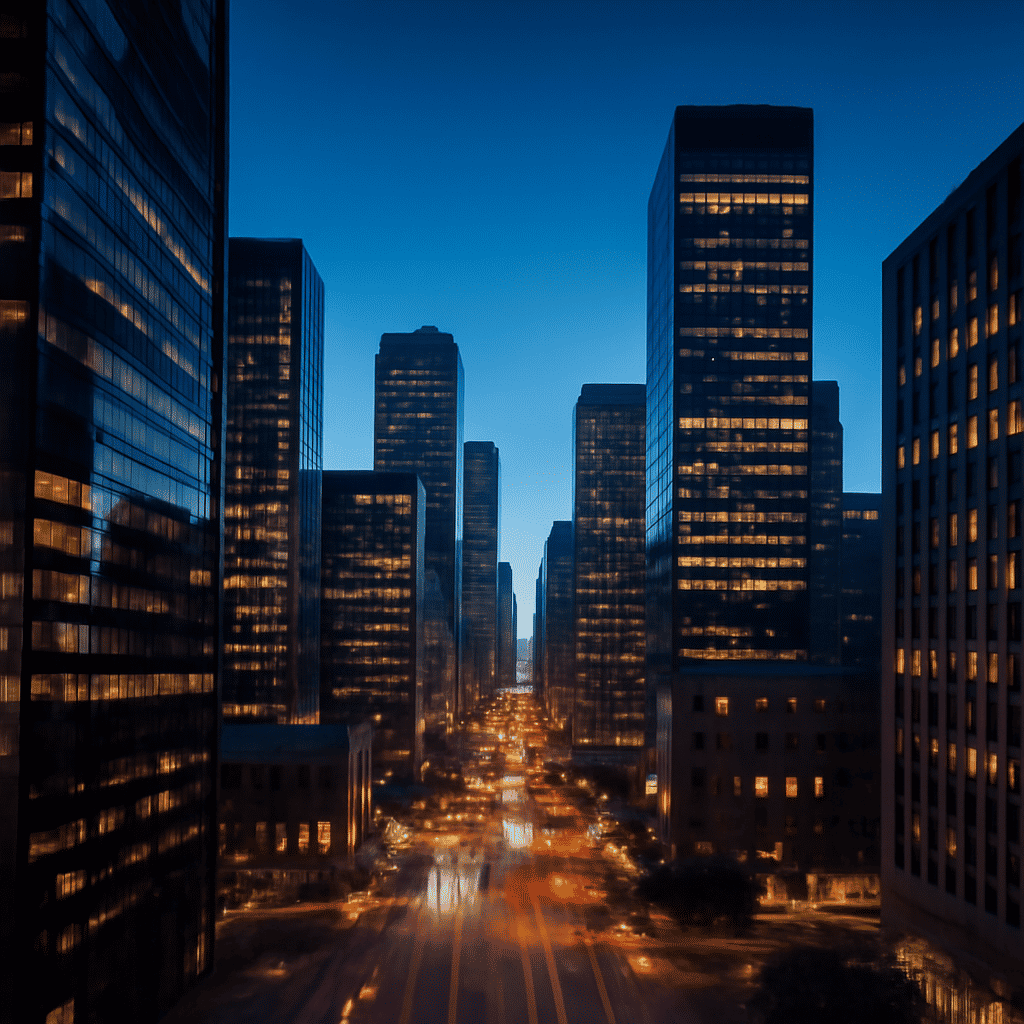
Exploring the realm of digital photography opens up a universe of creativity, allowing enthusiasts to capture moments with striking clarity and vibrant color. Mastering digital photography techniques can significantly elevate the quality of your images, providing the tools to transform ordinary snapshots into captivating works of art. This journey begins with a solid understanding of key settings and principles that govern the art of digital photography.
Understanding Your Device
Before diving into advanced techniques, it's essential to familiarize yourself with the device’s capabilities. Forget about auto mode, and explore manual settings where you have control over the critical elements: shutter speed, aperture, and ISO.
-
Shutter Speed: This setting determines the length of time your device’s sensor is exposed to light. A fast shutter speed is perfect for freezing motion, while a slower one can create beautiful motion blur effects.
-
Aperture: This is the opening in a lens through which light passes. A larger aperture (represented by a smaller f-number) creates a shallow depth of field, isolating the subject by blurring the background. Conversely, a smaller aperture (larger f-number) increases depth of field, ensuring more of the scene is in focus.
-
ISO: This controls the sensitivity to light. A lower ISO is ideal for bright conditions to ensure sharp, noise-free images, whereas a higher ISO can be used in low light but may introduce grain.
Mastering Composition
Composition is the creative backbone of photography, guiding the viewer’s eye through the image. Understanding composition can dramatically enhance aesthetic appeal.
-
Rule of Thirds: Imagine a grid slicing your frame into nine equal parts. Positioning focal points along these lines or intersections can create balanced and interesting compositions.
-
Leading Lines: Utilize natural lines within the scene to direct the viewer’s gaze toward your subject. These can be roads, rivers, or architectural elements.
-
Framing: Incorporate elements within the scene to frame your subject, adding depth and focus. This could be anything from natural elements like trees or man-made structures like windows.
Lighting Techniques
Lighting is the cornerstone of photography, profoundly influencing the mood and tone of your images.
-
Golden Hour: The hour after sunrise and before sunset provides soft, warm lighting that’s flattering for most subjects. This is often considered the best time for outdoor photography.
-
Diffused Lighting: On overcast days, clouds act as a natural diffuser, providing even lighting free of harsh shadows—ideal for outdoor portraits.
-
Artificial Lighting: Indoors, manipulating light sources with diffusers and reflectors can help create the perfect lighting environment without harsh contrasts.
Post-Processing
Post-processing can enhance or ruin an image. When editing, aim to enhance the natural beauty rather than creating a synthetic look.
-
Editing Software: Familiarize yourself with tools that allow you to adjust exposure, contrast, colors, and sharpness. Simple tweaks can make a significant difference.
-
RAW Format: Shoot in RAW format whenever possible. This captures more data, allowing greater flexibility in editing without degrading image quality.
-
Subtle Adjustments: Small, incremental changes usually yield the most pleasing results. Over-editing can lead to unnatural-looking photos.
Practice and Patience
Ultimately, mastery comes with practice and experimentation. Regularly challenge yourself by exploring different environments and subjects. As you become more comfortable, your eye will develop, and instinct will guide you in making creative decisions.
Mastering digital photography is not an overnight endeavor but a rewarding journey that evolves with every shot you take. Embrace experimentation, continuously push your boundaries, and your skills, alongside your unique artistic voice, will undoubtedly flourish.