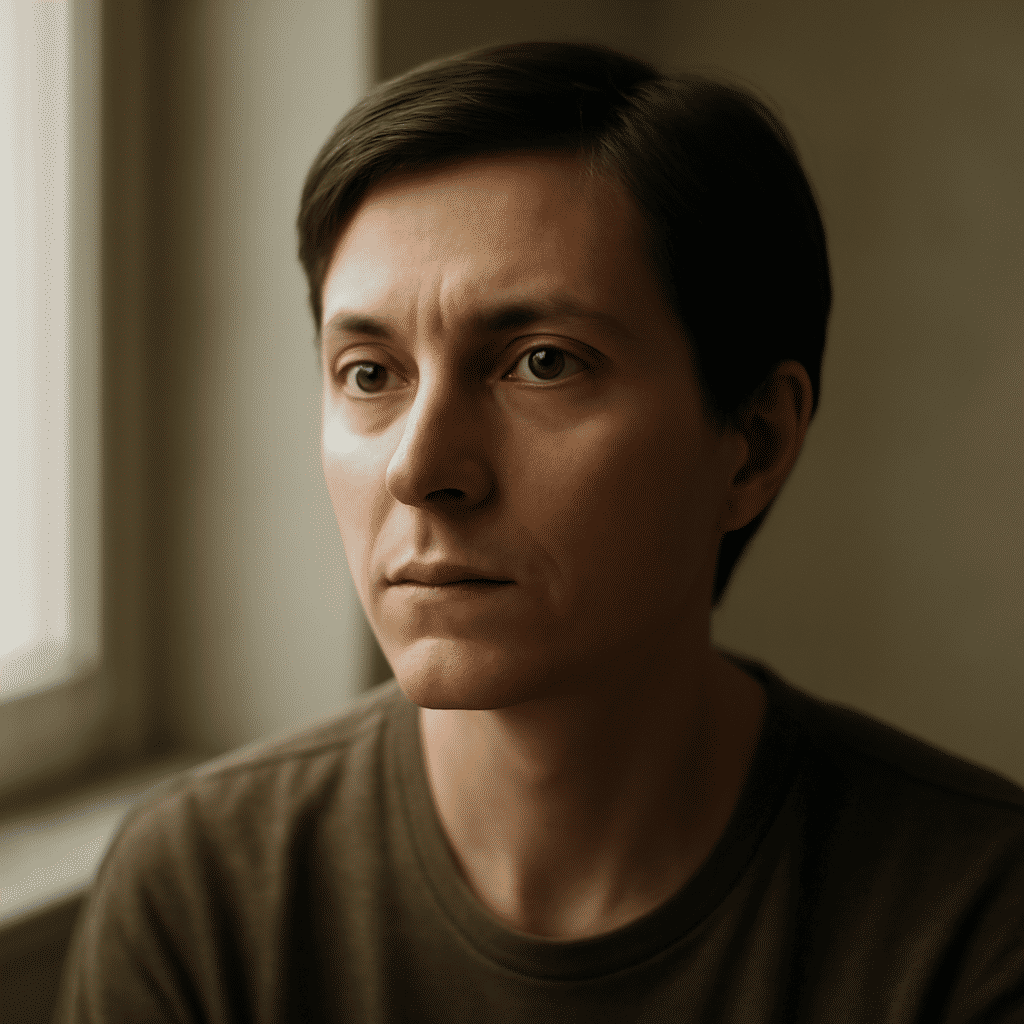
In the world of portrait photography, lighting is not just a technical component; it's an art form that can dramatically influence the mood, tone, and narrative of a photograph. Understanding how to manipulate light can transform a simple portrait into a masterpiece, revealing emotion and depth that draws the viewer in. Here, we explore various lighting techniques that can elevate your portrait photography.
Natural Light
Natural light is perhaps the most accessible and forgiving of lighting sources. It brings a soft and flattering quality to portraits. Utilizing light from a window or an open doorway can create gentle highlights and shadows. To make the most of natural light, position your subject close to the light source, adjusting their position to enhance contours and depth.
Timing is also crucial when working with natural light. The golden hour, which occurs shortly after sunrise or before sunset, provides a warm and magical quality to images that is difficult to replicate.
Rembrandt Lighting
Named after the famous painter, Rembrandt lighting is characterized by a small, triangular highlight on the cheek opposite the light source. This technique is achieved with the light positioned at approximately 45 degrees to the side of the subject and above their eye level. It creates dramatic shadows and a strong sense of depth, perfect for adding mystery to portraits.
Butterfly Lighting
This setup places the light source directly in front of the subject and slightly above, creating a soft, butterfly-shaped shadow beneath the subject’s nose. This technique is particularly flattering for emphasizing cheekbones and adding a glamorous feel to portraits. It's often used in beauty and fashion photography due to its ability to reduce shadows and create a smooth complexion.
Split Lighting
For a more intense and moody effect, split lighting is a great choice. This technique divides the face into two equal halves, one illuminated and one in shadow, by using a light source positioned at 90 degrees to the subject. It is ideal for creating dramatic portraits with a sense of tension and intrigue.
Loop Lighting
Loop lighting is a versatile and popular choice for many portrait photographers. Achieved by placing the light source slightly higher than eye level at an angle of 30-45 degrees from the subject, it creates a small, subtle shadow of the nose on the cheek. This technique provides a natural look, adding dimension without being overly dramatic.
Backlighting
Backlighting positions the main light source behind the subject, creating a halo or rim of light around the edges. This is effective for creating a dreamy, ethereal look and can also help separate the subject from the background. When using backlighting, either a reflector or a fill light is often needed to illuminate the front of the subject adequately.
Using Reflectors and Diffusers
Reflectors and diffusers are essential tools in managing the quality and direction of light. Reflectors bounce light back onto the subject, filling in shadows and adding light to darker areas. Diffusers soften harsh light, preventing unwanted highlights and creating an even exposure across the subject.
Experimentation and Practice
Mastering lighting in portrait photography requires practice and experimentation. Each lighting technique offers unique advantages and can be adapted to suit your personal style and the emotional impact you wish to convey. By understanding these techniques, you'll be able to create compelling portraits that capture the true essence of your subjects.
In summary, lighting is a powerful tool in portrait photography. By exploring and harnessing different lighting setups, photographers can communicate nuanced emotions and add artistic value to their work. Whether using natural light or controlled studio setups, the possibilities are limitless when it comes to capturing stunning portraits.