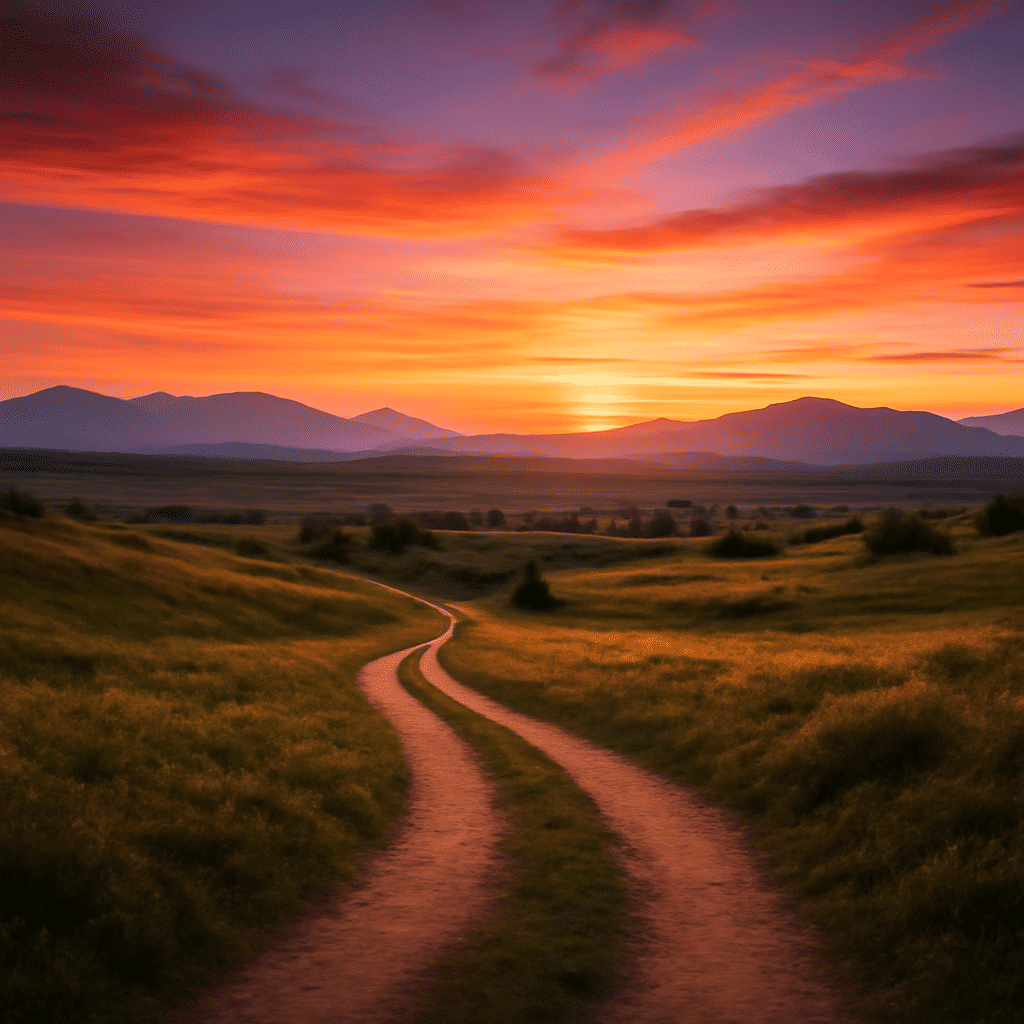
Capturing stunning landscape photos requires a keen eye for composition and an understanding of how to use visual elements effectively. Here, we share some expert tips on creating breathtaking compositions that can elevate your landscape photography to new heights.
1. Embrace the Rule of Thirds
One of the most fundamental principles in photography, the rule of thirds, can significantly enhance your landscape images. Imagine breaking your image into nine equal segments by two vertical and two horizontal lines. By placing key elements along these lines or at their intersections, you create balance and interest in your composition. Try positioning the horizon along the top or bottom line rather than the center to add depth and intrigue to your scenes.
2. Utilize Leading Lines
Leading lines guide the viewer's eye through your image and can create a sense of depth and dimension. Look for natural features such as rivers, roads, fences, or pathways that draw the viewer into the scene. These lines can lead to a focal point, enhancing the viewer’s engagement with the photograph and adding a dynamic element to your composition.
3. Look for Patterns and Textures
Nature is full of patterns and textures that can add complexity and interest to your landscapes. Capture the repeating formations of sand dunes, the intricate textures of rock surfaces, or the delicate petals of a flower. By emphasizing these elements, you can create visually compelling images that showcase the rich details of the natural world.
4. Vary Your Perspective
Avoid shooting all your landscapes from eye level. Experimenting with different angles and heights can offer fresh perspectives on familiar scenes. Get down low to capture the foreground intricacies or find a higher vantage point for a sweeping view of the landscape. Changing your perspective not only adds variety but can also uncover unique compositions that might otherwise be overlooked.
5. Mind the Foreground, Middle Ground, and Background
Consider including elements in the foreground, middle ground, and background to add depth to your images. By incorporating these layers, the viewer gets a sense of scale and distance within the scene. A well-placed rock or a flowering bush in the foreground can also lead the eye deeper into the photograph, enriching the storytelling aspect of your composition.
6. Play with Light and Shadow
Lighting plays a critical role in landscape photography. The golden hours after sunrise and before sunset often provide the most flattering light, casting soft, warm hues across the scenery. Pay attention to shadows, as they can add drama and shape to the landscape. Be ready to adapt to changing light conditions and use them to enhance the mood of your images.
7. Include a Focal Point
A strong focal point anchors your composition and gives the viewer a place to rest their gaze. This could be a striking tree, an interesting rock formation, or even a building. Ensure that the focal point contrasts with the rest of the scene in color, size, or shape to make it stand out.
By incorporating these composition techniques, you can transform your landscape photography and capture images that are not only visually stunning but also convey the beauty and grandeur of the natural world. So, the next time you head out to photograph stunning vistas, keep these tips in mind and watch your landscapes come to life.